
The Hidden Dirt Trapped Inside Oriental Rugs and Why Regular Cleaning Matters
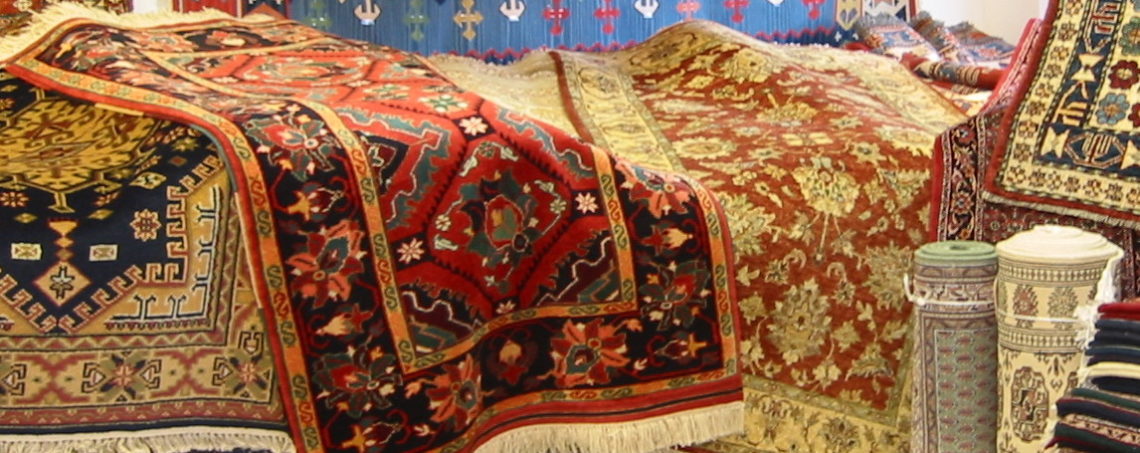
Oriental rugs are often among the most beautiful and valuable furnishings in a home. Their intricate patterns, rich colors, and handcrafted construction make them focal points in living rooms, dining areas, offices, and bedrooms. Because these rugs are admired primarily for their appearance, many homeowners assume they can judge cleanliness simply by looking at the surface.
Unfortunately, the most damaging contaminants are often completely invisible.
Even Oriental rugs that appear clean can contain significant amounts of dirt, dust, allergens, and debris hidden deep within their fibers and foundation. Over time, this accumulation can affect the rug’s appearance, shorten its lifespan, and even impact indoor air quality. Understanding what becomes trapped inside Oriental rugs helps homeowners appreciate the importance of professional cleaning and preventative maintenance.
Why Surface Appearance Can Be Misleading
One of the biggest misconceptions about Oriental rugs is that visible dirt accurately reflects overall cleanliness.
Unlike hard flooring surfaces where debris remains on top, rugs are designed to trap particles within their pile. Every step presses dirt deeper into the fibers, where it becomes increasingly difficult to remove through routine vacuuming alone.
As a result, a rug may look attractive on the surface while harboring years of accumulated contamination beneath.
Many homeowners are surprised when professional cleaning reveals the amount of dirt removed from a rug that appeared relatively clean before service.
How Dirt Becomes Embedded in Rug Fibers
Everyday life introduces contaminants into rugs continuously.
Foot traffic carries soil from outdoors. Open windows allow pollen and airborne particles to enter. Pets contribute dander and hair. Household dust settles into fibers daily.
Once these particles enter the rug, they gradually work their way deeper into the pile through repeated foot traffic and movement.
Handmade Oriental rugs often feature dense knot structures that contribute to durability and beauty. However, this same construction allows contaminants to become tightly lodged within the foundation.
Over time, embedded debris becomes increasingly difficult to remove without professional cleaning methods.
The Abrasive Effect of Hidden Soil
Many homeowners view dirt primarily as a cosmetic issue. In reality, dirt can be physically destructive.
Microscopic soil particles often contain sharp edges. As people walk across the rug, these particles rub against fibers repeatedly. This friction acts much like sandpaper, gradually wearing away delicate materials.
The process is slow and usually invisible during its early stages. By the time fiber damage becomes noticeable, significant wear may already have occurred.
Professional cleaning removes abrasive particles before they can continue damaging the rug’s structure.
Why Vacuuming Alone Is Not Enough
Regular vacuuming remains important for Oriental rug maintenance, but it has limitations.
Standard household vacuums primarily remove surface debris. While they help reduce dust accumulation, they often cannot extract deeply embedded contaminants from the rug’s foundation.
Additionally, many homeowners avoid aggressive vacuuming because they fear damaging delicate fibers or fringe areas.
Professional oriental rug cleaning complements routine vacuuming by reaching contaminants that normal household equipment cannot effectively remove.
How Allergens Accumulate Inside Rugs
Oriental rugs often function as large filtration systems within the home.
As air moves throughout a room, rugs capture airborne particles and allergens. Pollen, dust mites, pet dander, and other microscopic contaminants settle into the fibers where they remain until removed.
Over time, allergen concentrations can increase significantly.
While rugs help prevent these particles from continuously floating through the air, they still require periodic cleaning to remove accumulated contaminants.
For households with allergy concerns, routine professional cleaning can play an important role in maintaining a cleaner indoor environment.
The Impact of South Florida Humidity
South Florida’s climate creates unique challenges for Oriental rug owners.
High humidity levels affect both rugs and the contaminants trapped within them. Moisture can cause dirt and dust particles to adhere more firmly to fibers, making removal more difficult.
Humidity also creates conditions where odors may develop more easily if contaminants remain trapped for extended periods.
This combination of moisture and debris makes regular cleaning particularly important in humid environments.
What Happens Beneath the Surface
The foundation of an Oriental rug often receives little attention from homeowners.
However, the foundation is responsible for maintaining the rug’s structure and stability. Dirt that migrates into this area can contribute to premature wear and deterioration.
Over many years, accumulated contaminants may weaken fibers, affect flexibility, and reduce the rug’s overall lifespan.
Professional cleaning addresses both visible fibers and hidden foundation areas, helping preserve the rug’s integrity.
Why Professional Cleaning Produces Better Results
Professional Oriental rug cleaning differs significantly from standard carpet cleaning.
Technicians evaluate:
- Fiber type
- Dye stability
- Construction methods
- Contamination levels
- Cleaning requirements
This specialized approach allows contaminants to be removed safely while protecting delicate materials.
Professional cleaning also includes controlled drying procedures designed to prevent moisture-related issues after washing.
The Long-Term Benefits of Preventive Cleaning
Waiting until a rug appears visibly dirty often means contaminants have been accumulating for years.
Routine professional cleaning provides several long-term benefits:
- Reduced fiber wear
- Improved appearance
- Better indoor air quality
- Extended rug lifespan
- Preserved value
- Lower restoration costs
For valuable Oriental rugs, preventative maintenance is generally far less expensive than attempting to correct significant deterioration later.
Protecting Handmade Investments
Many Oriental rugs represent substantial financial investments.
Some are family heirlooms passed down through generations. Others were purchased specifically for their craftsmanship and artistic value.
Regardless of the rug’s origin, protecting that investment requires more than occasional vacuuming. Proper care includes regular inspections, prompt stain treatment, and periodic professional cleaning.
These efforts help preserve both beauty and value over time.
Conclusion
The most damaging dirt inside an Oriental rug is often the dirt that homeowners cannot see. Hidden soil, allergens, dust, and debris gradually accumulate within fibers and foundations, creating conditions that affect both appearance and longevity.
Professional Oriental rug cleaning removes these contaminants while protecting delicate materials and handcrafted construction. For homeowners who want to preserve the beauty, value, and lifespan of their rugs, regular professional care remains one of the most important investments they can make.
A rug may look clean on the surface, but true cleanliness extends far deeper than appearance alone.
Contact Us
646 423 8297



Submit your review | |
The team was professional and handled my rug with great care. They removed stains I thought would never come out. Highly recommend.